Below you will find pages that contain the key word “Audio”:
30. September 2026
AI Tools for Live Transcription

AI tools for automated speech recognition (ASR), otherwise known as transcription, have become quite popular recently, especially with the advent of Wispr Flow, for example. There are several free alternatives to that which I wanted to experiment with in my workflow. I’d also like to offer and introduce a custom option of my own - Whisper Clip - which is free to run locally, and very performant with the right hardware.
20. July 2026
Pi Morse
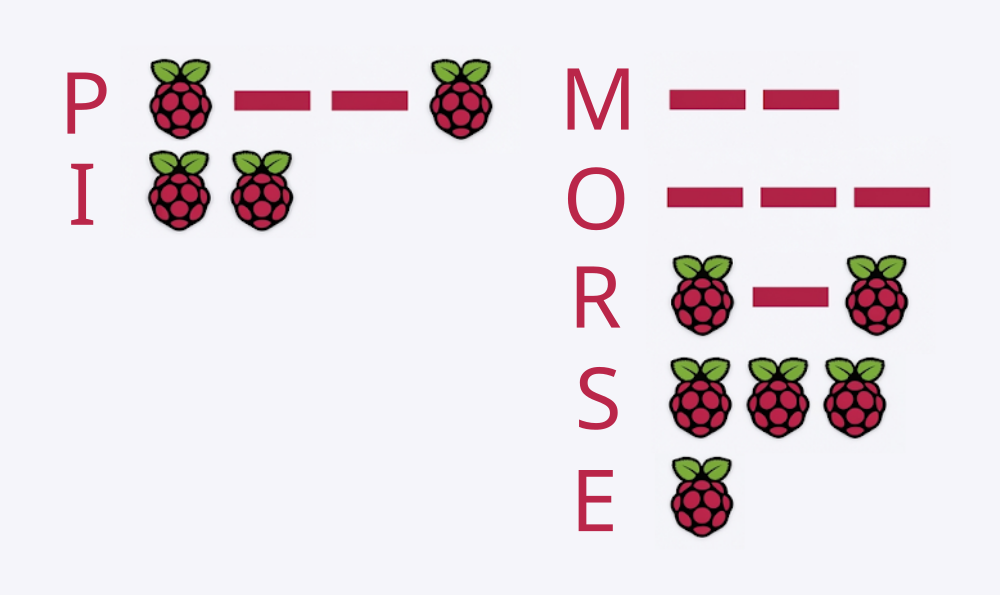
Dash dash dot dot! This project combines a Raspberry Pi mini computer with USB-connected peripheral devices - a simple button and a basic speaker - to create a functioning Morse code keyer that works from switch-on time.
This fun side project combines hardware and software to create a wonderful, tactile educational device that practices several skills at once: listening, concentration, coordination. This device has certainly been a hit with my children! In this article, I’ll describe how I built the project and walk you through some of the key concepts involved.
28. April 2019
Find Tune

The objective of this project is to create a program that listens to a continuous stream of sound and identifies when a particular song - the target track - is playing. This is similar to how home assistants such as Amazon’s ‘Alexa’ function, except they seek out a different sound (their name). Ultimately, this project will be used to replay the detected positive sound to a speaker, serving as a doorbell amplifier.
15. February 2016
Java Jukebox
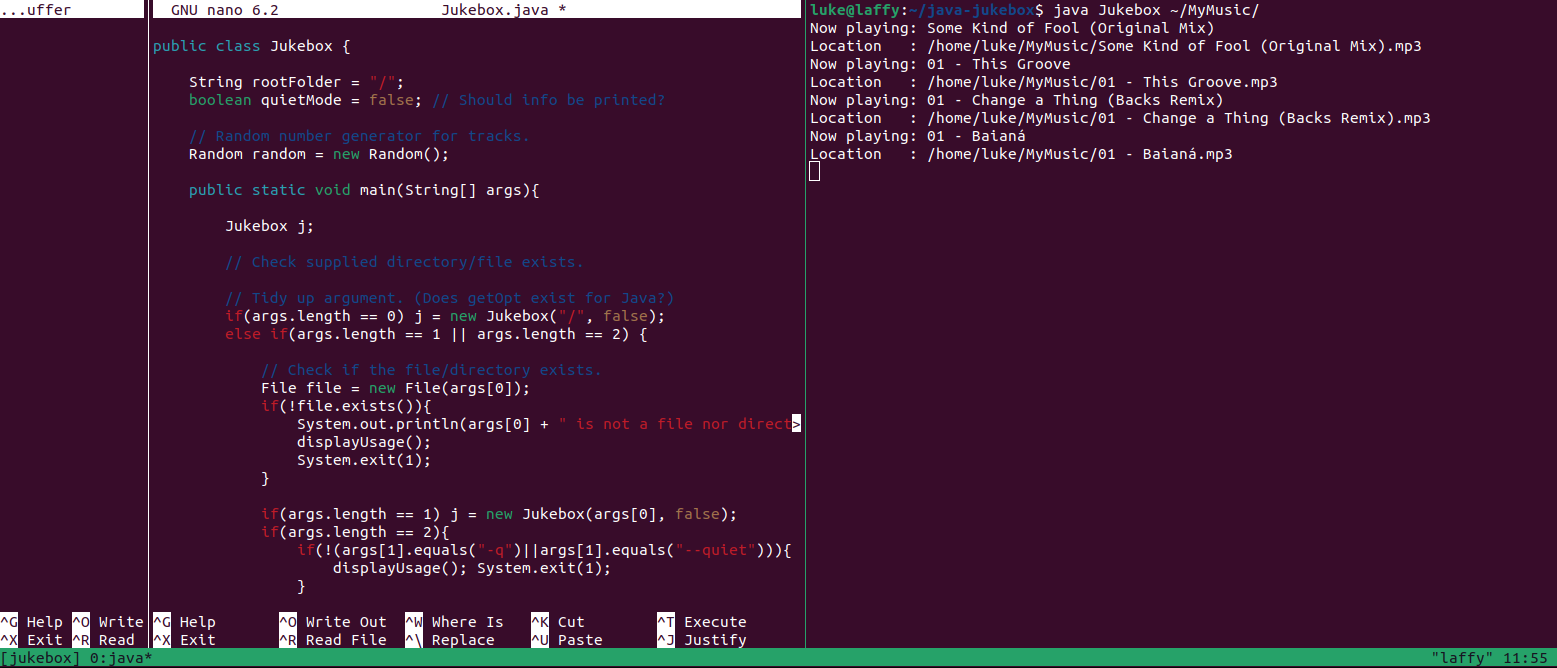
I was curious to see if I could write a music-shuffling program in Java, so that I could listen to tracks stored on an external hard drive. I had digitised an old vinyl collection, most of which can’t be found on YouTube!
The program is simple: it finds all the tracks from a given directory and its subdirectories, and plays them in a random order. If your music is organised into categories or artists, then you can target a particular genre by passing in the appropriate directory as the first argument.